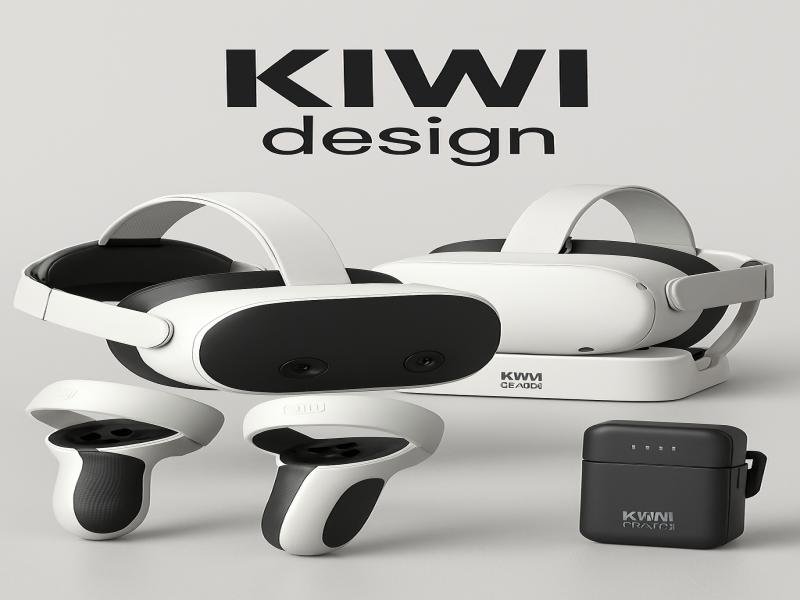
KIWI Design The Ultimate Guide to Smarter User Friendly Design
Published on 17 Jan 2026
KIWI
Design The Ultimate Guide to Smarter User Friendly Design
Introduction
In todays digital world
design is more than just making things look pretty. Its about creating
experiences that people enjoy trust and remember. Whether its a website an app
or a brand good design can make the difference between success and being
ignored. Thats where KIWI Design comes in—a unique
approach that blends creativity strategy and empathy to produce design that not
only looks great but works even better.
In this guide well break
down what KIWI Design is why it matters and how
it can help your brand or project stand out in a crowded digital landscape.

What is KIWI
Design
KIWI
Design is a mindset and approach focused on clarity
simplicity and human centered solutions. Unlike traditional design that
sometimes prioritizes aesthetics alone KIWI
Design ensures that everything created is intuitive
purposeful and aligned with business goals.
At its core KIWI
Design focuses on
Humancentric Thinking:
Understanding and designing for real user needs. User Experience Excellence: Making
every interaction seamless and enjoyable. Strategic Design: Aligning visuals
and functionality with business objectives. Visual Clarity: Ensuring design
communicates quickly and effectively. Scalable Solutions: Creating design
systems that grow with your business.
human Centric Thinking
The heart of KIWI
Design is empathy. Designers take time to understand
their audience—what they need what frustrates them and what delights them.
Every decision is rooted in these insights which ensures that the final product
feels intuitive and meaningful.
Its more than usability
its about emotion. A well designed product doesnt just work it resonates. Users
feel understood and valued which strengthens loyalty and trust.
User Experience
Excellence
User experience or UX is
another cornerstone of KIWI Design . Every touchpoint
matters from clicking a button on a website to navigating a mobile app. KIWI
Design focuses on creating smooth enjoyable journeys that
reduce confusion and make tasks simple.
A website that is easy
to navigate keeps visitors engaged longer. An app with clear workflows
encourages users to return. By prioritizing UX KIWI
Design turns casual users into loyal fans.
Strategic Design
Good design is more than
decoration its a strategy. Every element color choice or layout decision
in KIWI Design serves a purpose. It is
informed by business goals research and data insights. This ensures that design
not only looks good but drives measurable results like increased conversions
engagement and sales.
Visual Clarity
Clarity is key in KIWI
Design . Simplicity helps users process information
faster and reduces frustration. Clean layouts readable typography balanced
spacing and smart color usage guide the eye naturally and communicate messages
effectively.
Visual clarity also
ensures accessibility. Everyone including those with visual impairments or
cognitive challenges can interact with your content easily.
Scalable Solutions
Brands need to adapt and
grow and KIWI Design makes sure your design
can keep up. By creating reusable components style guides and consistent visual
systems your design remains cohesive across platforms devices and future
updates. This reduces the need for costly redesigns and ensures your brand
stays consistent.
Why KIWI
Design Matters
Implementing KIWI
Design can transform how users experience your brand and
directly impact your business results. Higher Engagement: Clear intuitive
design keeps users on your site longer. Stronger Brand Identity: Unique
consistent visuals help you stand out. Increased Conversions: Optimized
journeys encourage visitors to take action Enhanced Trust and Credibility:
Professional polished design builds confidence. Adaptable Across Platforms:
Mobile tablet or desktop users have a smooth experience everywhere. Cost
Efficiency: Scalable systems reduce future redesign costs.
How to Implement KIWI
Design
Adopting KIWI
Design is a structured process. Heres a step by step
guide
Research and Discovery
Start by understanding your users competitors and market trends. Conduct
surveys interviews and analytics reviews to gather meaningful insights. Define
Strategy and Vision Set clear goals and KPIs. Develop user personas and journey
maps to visualize how users interact with your product. Ideation and Concept
Development
Brainstorm ideas sketch wireframes and explore concepts. Low fidelity designs
help test ideas early before committing to final visuals. Visual Design and
Branding Create cohesive visual elements colors typography imagery and layouts
that reflect your brands personality while maintaining usability and
accessibility. Usability Testing and Feedback Test prototypes with real users.
Gather feedback and make improvements to ensure the final product meets user
needs and expectations Development Handoff and Implementation Collaborate
closely with developers to translate designs into a working product. Use style
guides and design systems to ensure consistency. Launch Monitor and Iterate
After launch monitor performance through analytics and user feedback. Iterate
and refine your design based on real data to continuously improve the
experience.
Real World Examples
of KIWI Design
Ecommerce Redesign: A
cluttered online store simplified navigation and checkout resulting in higher
conversions and lower bounce rates. SaaS Dashboard: Complex analytics were
restructured for clarity and user friendliness improving task completion and
customer satisfaction. Nonprofit Website: A clean storytelling focused site
increased donations volunteer signups and engagement.
Measuring Success
To evaluate the impact
of KIWI Design track metrics such as
Conversion rates Engagement time Bounce rate Task completion success User
satisfaction Brand recognition Retention and loyalty These metrics help ensure
that design efforts align with real user and business needs.
The Future of KIWI
Design
With AI voice interfaces
and augmented reality reshaping digital experiences KIWI
Design remains relevant. While technology changes the
human centered philosophy ensures design remains meaningful and effective. The
future of design is adaptive intuitive and deeply connected to the users needs.
Conclusion
KIWI
Design is more than a methodology—its a mindset. By
prioritizing clarity empathy strategy and scalability it helps businesses
create meaningful effective and lasting design experiences. Whether you are
redesigning a website launching an app or building a brand from scratch KIWI
Design ensures that every decision drives value for your
users and your business.
Adopting KIWI
Design means putting people first designing with purpose
and continuously improving. In a competitive digital world this approach is the
key to standing out engaging users and achieving measurable success.